Top Rated Heating & Cooling Specialists in Taylors
Choosing the Right HVAC Company: Important Considerations for Superior Home Comfort
Selecting the right HVAC provider is essential for ensuring home comfort levels. Multiple factors affect this selection, from the available services to the significance of certifications and experience. Client testimonials offer valuable insights, while efficiency ratings can generate ongoing cost savings. Knowing cost and warranty details is equally essential. As homeowners navigate these factors, they may wonder which elements are most important in making an informed choice.
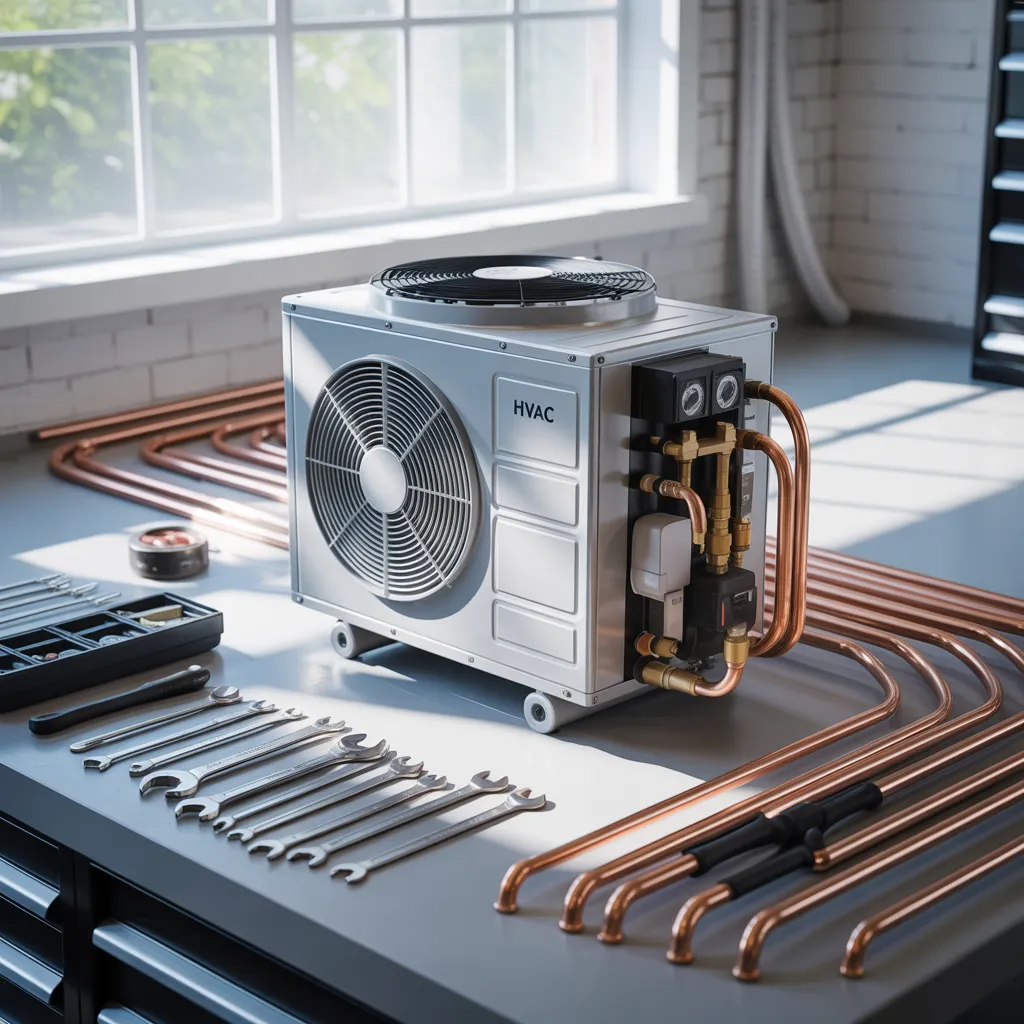
What Services Does Your HVAC Company Need to Offer?
When selecting an HVAC provider, understanding the scope of services provided is crucial. A thorough HVAC company should cover repair, installation, and maintenance for heating, cooling, and ventilation systems. Installation solutions must encompass both residential and commercial options, ensuring that systems are tailored to specific needs. Regular maintenance is critical for boosting the efficiency and lifespan of systems, so contractors should supply routine check-ups and cleaning services.
Additionally, repair services should be prompt and effective, addressing issues with various system components, including thermostats, ductwork, and filters. Several firms may also present complementary services like air quality analyses, which can help improve the overall environment of a home or business. Finally, emergency services are a valuable asset, guaranteeing that customers obtain prompt help during major system breakdowns. Assessing these services enables property owners to reach well-informed choices for their HVAC requirements.
Why You Should Consider Experience and Certifications When Picking an HVAC Company
Choosing an HVAC provider is not only about the work they deliver but also about the skill behind those solutions. Expertise plays an important role in ensuring that technicians can accurately identify issues and apply effective solutions. A experienced HVAC provider is likely to have handled a range of systems and problems, enabling them to react efficiently to unique situations.
Certifications are equally important, as they demonstrate that the firm adheres to industry standards and best practices. Certified technicians have completed thorough training, ensuring their expertise in the most recent technologies and safety guidelines. This lowers the likelihood of mistakes that can lead to costly repairs or safety hazards.
When everything is taken into account, the blend of hands-on experience and professional certifications demonstrates dedication to excellence and professional standards. Homeowners can rest assured knowing they are entrusting their HVAC needs to a team that places competence and reliability at the forefront.
Why Customer Reviews Matter When Selecting an HVAC Company
Client feedback are vital in evaluating the reputation of HVAC service providers. By analyzing online feedback, future customers can measure the quality of service and reliability offered by various companies. Reviewing this feedback enables people reach well-informed choices when choosing an HVAC company.
Analyzing Online Reputation
How can a potential homeowner gauge the reliability of an HVAC company in today's digital age? One effective method is to assess the company's online reputation through customer reviews. Online platforms including Google, Yelp, and Facebook deliver useful perspectives on former client encounters, emphasizing service standards, turnaround times, and overall customer contentment. An abundance of favorable reviews often suggests a reliable company, while recurring complaints may point to underlying problems. It is furthermore helpful to consider how the company responds to unfavorable comments, as a well-crafted reply can showcase a commitment to professionalism and quality service. By synthesizing this information, homeowners can make informed decisions, ensuring they choose an learn more HVAC company that aligns with their expectations for quality and reliability.
Grasping the Significance of Ratings
In the digital landscape, ratings serve a crucial function in influencing opinions about HVAC companies. User ratings deliver key details regarding service quality, reliability, and overall satisfaction. Future clients commonly turn to these evaluations to measure a company's credibility before making a decision. Strong reviews generally reflect a history of successful installations and prompt service, while low ratings may signal potential issues. Additionally, patterns in reviews can highlight notable capabilities or limitations, such as proficiency with specific equipment or ability to handle urgent situations. Ultimately, understanding the importance of ratings enables property owners to make confident decisions, ensuring they select an HVAC company that aligns with their needs and expectations. This careful evaluation can lead to enhanced comfort and peace of mind.
Understanding Energy Efficiency Ratings for HVAC Systems
What factors determine the energy efficiency of HVAC systems? Efficiency ratings, such as SEER (Seasonal Energy Efficiency Ratio) for cooling units and AFUE ratings for heating units, deliver valuable guidance. These ratings measure how effectively a system transforms energy into cooling or heating compared to the energy it consumes. The greater the rating indicates a more efficient unit, contributing to reduced energy expenses and a lesser impact on the environment.
Additionally, the system design, installation standards, and maintenance routines greatly influence general performance outcomes. Units that are correctly sized to meet a home's unique requirements will function more effectively than improperly sized units. In addition, advancements in technology, such as variable speed compressors and smart thermostats improve energy performance. When assessing HVAC systems, homeowners should take these factors into account, as selecting a unit with a high energy efficiency rating supports lasting comfort and environmental sustainability.
Assessing HVAC Costs for Optimal Value?
When looking at HVAC costs, homeowners often wonder which factors are important for obtaining the most value. Key elements include the initial cost of the equipment, setup charges, and long-term running costs. Homeowners should review estimates from various contractors, verifying that all estimates are comprehensive and include similar services.
Another important consideration is the energy efficiency rating of the equipment, as higher efficiency often leads to lower energy bills. Additionally, warranty protection and maintenance packages can have a major influence on overall worth. Evaluating the standing of the HVAC company is critical, as experienced technicians typically provide better service, which can minimize upcoming maintenance and repair costs.
Fundamentally, the best value cannot be defined by the lowest price alone but is shaped by a balance of quality, efficiency, and consistent service. Homeowners are encouraged to thoroughly evaluate all aspects of HVAC pricing to make informed decisions that enhance their home comfort and investment.
Key Questions to Ask Your HVAC Contractor?
What steps can homeowners take to ensure they select the right HVAC contractor? One effective approach is to ask vital questions that reveal the contractor's qualifications and reliability. As a starting point, homeowners should request information about licensing and insurance, confirming that the contractor adheres to local standards and can address any potential liabilities. Next, asking about experience with specific systems or brands helps determine whether the contractor is well-suited for the job.
Homeowners should also request references from previous clients to evaluate the level of satisfaction and workmanship. Furthermore, inquiring about warranties and service contracts can help clarify expectations following installation or repair. In addition, talking through financing options and estimated project timelines can encourage transparency and minimize unexpected setbacks. By taking these key elements into account, homeowners can arrive at informed decisions that lead to the greatest level of comfort in their homes.
Questions We Often Receive
What Is the Average Lifespan of an HVAC System?
An HVAC system usually operates for between 15 and 25 years, subject to maintenance, usage, and installation quality. Routine maintenance can extend its lifespan, while a lack of proper care may lead to unexpected breakdowns and costly replacements.
What Warranties Should I Expect From HVAC Services?
Customers should expect warranties encompassing parts and labor, typically spanning one to ten years, depending on the HVAC system. Extended warranties may also be available, offering extra peace of mind and safeguarding against future repairs.
Are HVAC Systems Capable of Improving Indoor Air Quality?
HVAC systems are highly effective at improving indoor air quality by filtering pollutants, managing moisture levels, and providing sufficient airflow. Consistent upkeep boosts their efficiency, contributing to healthier living environments and decreasing the presence of allergens and irritants indoors.
What Maintenance Is Required for HVAC Systems?
Periodic care for HVAC systems consists of replacing filters, purifying ductwork, evaluating refrigerant levels, checking electrical connections, and booking professional maintenance visits. These practices optimize performance, increase longevity, and preserve superior indoor air quality year-round.
What Are the Signs That My HVAC System Needs to Be Replaced?
Symptoms that an HVAC system is in need of replacement include constant repairs, escalating energy costs, fluctuating temperatures, odd sounds, and surpassing 15 years of age. Examining these signs can assist in determining if a replacement is necessary.